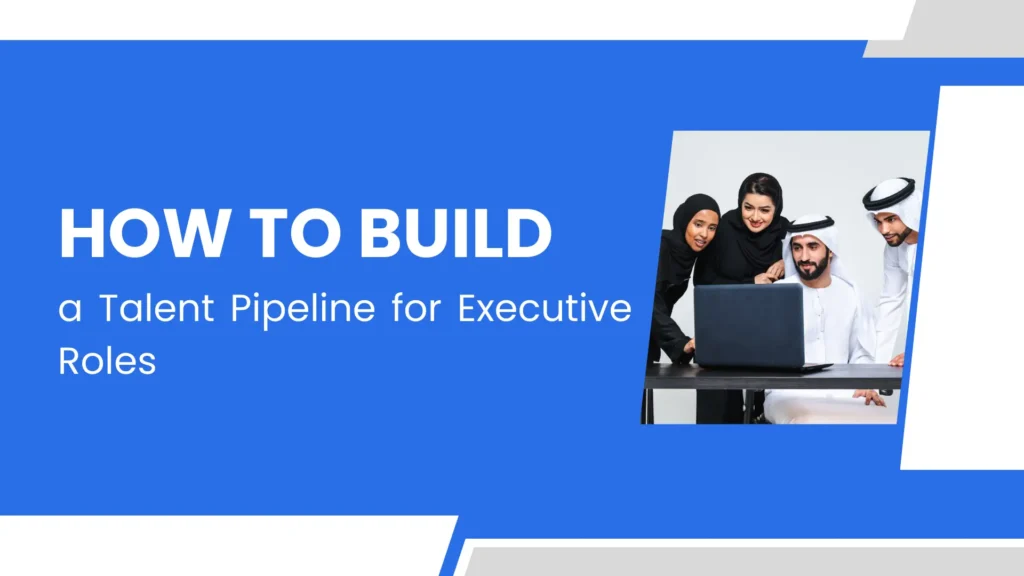
Finding strong executives is rarely about a quick hire. The best leadership teams are built long before a role officially opens. Companies that succeed in international markets understand this well. They do not simply recruit leaders when they need them. Instead, they build a long term talent pipeline.
This is especially important for organizations expanding across the Middle East and North America. Businesses entering markets such as Saudi Arabia, the UAE, or Qatar often need leaders who understand both regional culture and global business practices.
For Arab American professionals and international employers alike, building a reliable pipeline for executive roles creates stability, faster hiring decisions, and stronger global teams.
Below is a practical guide to building that pipeline with a focus on GCC expansion, international mobility, and leadership hiring.
Why Executive Talent Pipelines Matter More Than Ever
Executive hiring is different from traditional recruitment. Leadership roles shape company culture, strategy, and expansion plans. A rushed hiring decision can slow growth for years.
Organizations operating in the Gulf region face additional challenges:
• Rapid economic development
• Increasing competition for experienced leaders
• Cross cultural management requirements
• Global talent mobility and relocation logistics
These trends are especially visible in markets shaped by gcc economic diversification strategies and large scale development initiatives.
Saudi Arabia, for example, is experiencing a surge in leadership demand because of saudi vision 2030 jobs for foreigners and new investment sectors. Similar patterns exist in the UAE and Qatar as they attract global companies and international talent.
A well built pipeline ensures companies already know potential leaders before the job becomes urgent.
Start With a Clear Executive Hiring Strategy
Many companies start recruiting executives only when a leadership gap appears. That approach usually leads to rushed decisions.
Instead, companies should start with a long term leadership plan.
Ask a few key questions:
• Which leadership roles will we need in the next three to five years?
• Which markets are we expanding into?
• Do we need leaders with regional experience in the Middle East?
• What cross cultural skills will executives need?
For example, organizations exploring setting up a team in saudi arabia will likely require senior managers familiar with local regulations, hiring practices, and business culture.
Companies entering Dubai or Qatar may prioritize executives who understand free zone structures, international hiring, and expatriate management.
Building a pipeline starts with identifying these needs early.
Identify Leadership Talent Across Multiple Markets
One of the biggest mistakes companies make is limiting executive searches to one region.
Strong leaders today often come from globally diverse backgrounds.
Some of the most effective pipelines include professionals from:
• Arab American business leaders in the United States
• Executives working in GCC markets
• International professionals with Middle East experience
• Senior managers from multinational companies
This global mix is especially useful when businesses expand across borders.
For example, many companies building teams in Riyadh focus on hiring in riyadh while also recruiting executives from North America who bring international leadership experience.
At the same time, many Arab professionals working in the United States are interested in opportunities tied to regional development, including neom project jobs and other large infrastructure initiatives.
Keeping both markets connected helps companies find the right leadership mix.
Build Relationships Before You Need Them
A strong talent pipeline is built on relationships, not job postings.
Organizations should actively engage with potential executive candidates through:
• Industry events
• Leadership forums
• professional associations
• mentorship programs
• networking communities
This is especially important for international professionals navigating relocation or cross border careers.
Many Arab professionals in North America rely heavily on networking for arab professionals in usa to learn about leadership opportunities both in the United States and the Middle East.
Employers who participate in these networks gain early access to highly experienced talent.
Partner With Recruiters Who Understand Cross Border Hiring
Executive hiring becomes more complex when companies operate across multiple countries.
Legal requirements, relocation logistics, and cultural expectations all affect hiring decisions.
This is where specialized recruitment partners can play a role.
Organizations like Arab American Recruiters have experience placing Arab professionals across both US and GCC markets. Their work often involves international hiring projects, executive searches, and expatriate onboarding programs.
That kind of experience becomes valuable when companies are navigating processes such as a saudi arabia work visa or managing leadership relocation packages.
The goal is not simply to fill a position but to ensure long term success for both the employer and the executive.
Understand Visa Pathways for Executive Mobility
Executive talent pipelines often depend on international mobility.
Companies recruiting global leaders must understand how work authorization works in different regions.
For example:
In Saudi Arabia, companies typically sponsor professionals through the saudi arabia work visa process. This requires employer sponsorship and government approval.
In the United States, many technology executives or senior engineers work through visa pathways such as the h1b visa for software engineers.
Healthcare leaders may follow different routes involving licensing and credential verification.
Because immigration policies change frequently, companies should always confirm current regulations before making hiring decisions.
If something cannot be verified easily, the best approach is simple. Contact the relevant immigration authority or consult a qualified legal professional.
Build Cross Cultural Leadership Skills
Even the most experienced executive can struggle when managing teams across cultures.
Leadership pipelines should therefore focus not only on technical skills but also on cultural awareness.
Companies expanding across the Gulf region often invest in cross-cultural training to help executives understand:
• business etiquette in the Middle East
• leadership expectations within GCC organizations
• communication styles across cultures
• managing distributed teams
This becomes even more important for companies operating global teams.
For example, executives may lead employees in the United States, Saudi Arabia, and the UAE simultaneously. Effective managing remote teams in different time zones requires structured communication systems and clear decision making processes.
Without those systems, leadership teams can quickly become disconnected.
Focus on Expatriate Onboarding and Retention
Recruiting a senior executive is only the first step. Retaining that leader is equally important.
International relocation can be challenging even for experienced professionals.
Companies hiring leaders in the UAE or Saudi Arabia should develop strong onboarding programs that include:
• relocation assistance
• housing support
• school guidance for families
• cultural orientation
• community introductions
Many companies refer to these programs as relocation support middle east services.
Retention also improves when organizations address long term lifestyle needs. Programs that support families, including resources such as family support uae, often make a significant difference in executive satisfaction.
Companies that ignore these factors may find their leadership hires leaving within a year.
Tap Into High Growth Sectors for Leadership Talent
Executive pipelines should also reflect industry trends.
Across the Gulf region, several sectors are experiencing strong growth.
These industries are actively searching for experienced leaders.
Renewable Energy and Infrastructure
Saudi Arabia is investing heavily in clean energy and sustainable infrastructure. This has created demand for executives connected to renewable energy jobs saudi arabia and large development programs.
These opportunities often attract international professionals with engineering and energy leadership backgrounds.
Technology and Financial Innovation
The UAE has become a regional technology hub. Senior roles connected to fintech careers dubai are increasingly common as financial technology companies expand across the region.
Executives with global tech experience are particularly valuable here.
Tourism and Hospitality
Qatar continues to expand its tourism sector, which has increased demand for leaders in tourism jobs qatar related industries.
Hospitality executives with international experience are especially sought after.
Build Leadership Bench Strength Inside Your Organization
External recruitment should not be the only source of executive talent.
Companies that build strong leadership pipelines often develop future executives internally.
This approach involves:
• leadership development programs
• mentorship by senior executives
• international project assignments
• exposure to regional markets
For example, a mid level manager in the United States might lead a cross border project connected to us arab joint venture project management initiatives.
These experiences prepare professionals for future executive roles in global organizations.
Encourage Career Mobility for Arab Professionals
Arab professionals working in North America often possess strong technical expertise and multicultural experience.
These professionals frequently explore opportunities across both the United States and the Gulf region.
For example, many technology specialists pursue usa tech relocation opportunities before later considering leadership roles in the Middle East.
Others move in the opposite direction, relocating from North America to leadership roles in GCC companies.
Organizations that understand these career pathways often gain access to an exceptional pool of bilingual and internationally experienced leaders.
Industry FAQ
How can businesses set up a team in Saudi Arabia or Dubai?
Companies typically start by establishing a legal entity or working through local partners. In Dubai, many businesses choose free zone structures, often referred to as dubai free zone setup, which can simplify company registration and international hiring.
In Saudi Arabia, businesses must follow national employment regulations and sponsor employees through the appropriate visa system.
Because regulations change periodically, companies should confirm requirements with local legal experts before expansion.
What are the requirements for Arab professionals to work in the US or GCC?
Requirements depend on the country and industry.
Professionals working in the United States often require employer sponsored visas such as the h1b visa for software engineers or other specialized immigration pathways.
In GCC countries, employers typically sponsor professionals through national work visa programs such as the saudi arabia work visa.
Healthcare roles, engineering positions, and technical jobs may also require licensing or credential verification.
How can expatriates integrate smoothly and stay long term in the Middle East?
Successful expatriate integration usually involves three factors:
• strong onboarding programs
• cultural awareness training
• family support resources
Programs that focus on onboarding expatriates in middle east often include mentorship, community networking, and language guidance.
Companies that invest in these programs typically see better retention and stronger leadership stability.
Which sectors offer the strongest opportunities in 2024?
Several sectors are growing rapidly across the GCC region.
These include:
• renewable energy
• technology and fintech
• healthcare
• tourism and hospitality
• infrastructure and megaproject development
Many of these opportunities are connected to regional transformation initiatives and large scale development programs.
Call to Action
Building a strong executive talent pipeline takes time, relationships, and a clear understanding of global workforce mobility.
Organizations that invest early in leadership networks, cross cultural training, and expatriate support are far more successful when expanding into international markets.
For companies hiring across the United States and the GCC, working with specialists who understand both regions can make the process much smoother.
To learn more about international hiring and leadership recruitment for Arab professionals, visit Arab American Recruiters Their team has experience supporting executive hiring, expatriate onboarding, and cross border workforce projects across the US and the Middle East.