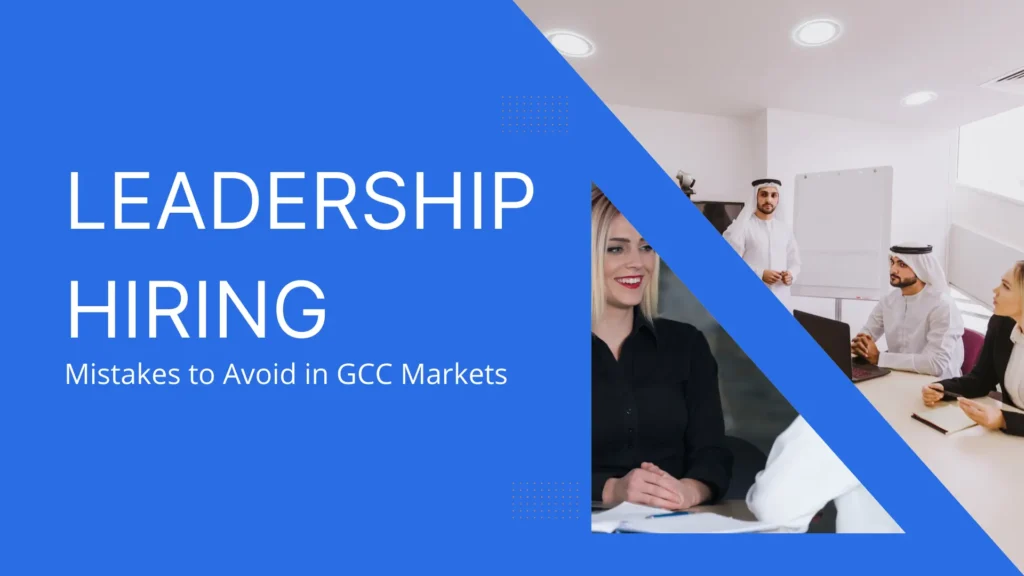
Expanding your business into the Gulf Cooperation Council (GCC) region or building a team in Saudi Arabia, Dubai, or Qatar can be an exciting step. These markets offer dynamic opportunitiesfrom Saudi Vision 2030 jobs for foreigners to renewable energy projects, fintech careers in Dubai, and tourism jobs in Qatar. Yet, hiring leadership in these regions is not without its challenges. Missteps in recruitment can slow growth, increase turnover, or even derail your expansion plans.
Whether you’re a U.S. employer navigating visa regulations, a GCC business aiming to attract top international talent, or an Arab professional exploring career opportunities in the U.S., understanding common hiring mistakesand how to avoid themcan save time, resources, and headaches.
Here’s a comprehensive guide to leadership hiring pitfalls in GCC markets and practical strategies to get it right.
1. Overlooking Local Talent and Market Nuances
One of the most frequent mistakes companies make is assuming that leadership strategies that work in the U.S. will seamlessly translate to the GCC. Each market has unique characteristics:
- Saudi Arabia: Programs like Saudi Vision 2030 and megaprojects such as Neom careers 2024 are driving demand for both local and expatriate talent. Companies must understand ksa recruitment rules and how to structure teams to comply with labor regulations.
- UAE: Hiring in Dubai or Abu Dhabi often involves leveraging the UAE talent pool, particularly within Dubai free zone setup companies, which offer streamlined business registration but may have specific requirements for leadership roles.
- Qatar: Navigating Qatar recruitment laws is critical, especially in sectors like tourism, healthcare, and megaprojects. Familiarity with local labor regulations ensures a smooth hiring process.
Failing to understand these market nuances can result in underqualified hires, cultural misalignment, and poor retention of expatriate leaders.
Tip for Employers: Conduct a local market assessment before recruiting. Engage with consultants familiar with expat retention Dubai and relocation support Middle East to understand incentives, salary expectations, and cultural considerations.
2. Ignoring Cultural Fit and Cross-Cultural Skills
Leadership is about more than skills and experienceit’s also about cultural fit. In GCC markets, cross-cultural communication is a key factor in team success. Misunderstandings can arise from subtle differences in communication styles, work expectations, and decision-making approaches.
Avoidable mistakes include:
- Assuming Western-style management will be effective without cross-cultural training.
- Overlooking the importance of local norms, such as Ramadan schedules or weekend working hours.
- Not providing guidance for expatriates on integrating with families or communities (e.g., family support UAE).
Tip for Employers: Implement cross-cultural communication in business workshops and mentorship programs. Leaders who understand local etiquette, business practices, and employee expectations are more likely to retain top talent.
3. Skipping the Visa and Relocation Planning
A significant stumbling block for leadership hiring in GCC markets is visa and relocation mismanagement. Leaders moving to the Middle East often need Saudi Arabia work visa, visa sponsorship for healthcare workers, or other permits depending on their role and nationality. U.S. employers hiring Arab professionals must also navigate H1B visas for software engineers or US healthcare jobs for Arab medical professionals, including licensing requirements like USMLE for Arab doctors or nursing license USA.
Without proactive visa and relocation planning, top candidates may decline offers, experience delays, or struggle to integrate.
Tip for Employers: Offer comprehensive relocation support Middle East, including assistance with work permits, housing, schooling for children, and cultural orientation. For U.S.-bound professionals, clarify USA tech relocation or healthcare licensing requirements early in the recruitment process.
4. Underestimating Expat Retention Challenges
Attracting talent is one thingkeeping it is another. Retaining leadership in the GCC requires more than competitive salaries. Common pitfalls include:
- Not addressing family and lifestyle needs (family support UAE, American community in UAE).
- Failing to provide structured onboarding for expatriates (onboarding expatriates in Middle East).
- Ignoring opportunities for professional growth and future skills in Arabian Gulf development.
Tip for Employers: Build retention strategies around career development, mentoring, and expatriate engagement. Regular check-ins and integration initiatives improve job satisfaction and loyalty.
5. Overlooking Workforce Mobility and Remote Management
The modern workforce is increasingly mobile, with teams often spread across multiple countries and time zones. Many GCC companies now operate hybrid or fully remote structures for leadership and tech roles.
Mistakes to avoid include:
- Assuming all leaders can operate independently without guidance on managing remote teams in different time zones.
- Neglecting communication protocols for multilingual teams, such as those in bilingual customer support centers (Arabic-English) or multilingual call center setup.
- Ignoring the impact of time zone differences on client-facing operations like 24/7 support team structures.
Tip for Employers: Provide tools and training for remote leadership. Encourage cultural sensitivity and regular virtual check-ins to maintain cohesion.
6. Failing to Align Job Offers with Market Realities
Salary expectations, benefits, and incentives in GCC markets differ significantly from those in the U.S. A few common missteps:
- Offering a package that doesn’t account for the cost of living Dubai vs USA.
- Underestimating housing, schooling, and transportation needs for expatriates.
- Ignoring high-demand sectors like renewable energy jobs Saudi Arabia, fintech careers Dubai, or tourism jobs Qatar, which may require premium packages to attract talent.
Tip for Employers: Benchmark your compensation packages against local and international standards. Include perks like housing allowances, relocation support, and flexible schedules to remain competitive.
7. Neglecting Strategic Networking and Talent Sourcing
The GCC and U.S. markets rely heavily on professional networks to identify and hire top leadership talent. Mistakes here include:
- Relying solely on job boards instead of leveraging industry networks.
- Overlooking networking for Arab professionals in USA and other diaspora connections.
- Ignoring specialized recruiters who understand cross-border talent placement, such as Arab American Recruiters.
Tip for Employers: Collaborate with trusted recruitment partners who can connect you with skilled talent. Agencies familiar with careers in Middle East for Westerners or Arab tech professionals USA jobs can accelerate hiring while mitigating risks.
Practical Advice for Leaders and Job Seekers
Whether you’re an Arab professional exploring US healthcare jobs or a company hiring for megaprojects jobs in the GCC, consider the following:
- For Job Seekers: Ensure you meet visa and licensing requirements before applying. For healthcare, verify your USMLE or nursing license USA status. For tech roles, understand H1B visa for software engineers timelines.
- For Employers: Invest in structured onboarding, cross-cultural training, and expatriate family support. Use clear career pathways and competitive packages to improve expat retention Dubai.
Frequently Asked Questions
Q1: How can businesses set up a team in Saudi Arabia or Dubai?
A: Start with understanding local regulationsksa recruitment guidelines or Dubai free zone setup rules. Engage a trusted recruitment partner to help with talent sourcing, work permits, and onboarding expatriates in Middle East. A phased hiring approach works best, especially for leadership roles.
Q2: What are the requirements for Arab professionals to work in the U.S. or GCC?
A: In the GCC, professionals usually need a work visa and company sponsorship (Saudi Arabia work visa, visa sponsorship for healthcare workers). In the U.S., tech and healthcare roles may require H1B visas, USMLE for Arab doctors, or a nursing license USA, depending on the profession.
Q3: How can expatriates maximize retention and integrate smoothly in the Middle East?
A: Participate in cross-cultural training, leverage local networks, and seek family support UAE services. Regular check-ins with management, mentorship programs, and community engagement improve satisfaction and retention.
Q4: Which sectors offer the best opportunities for Arab professionals in 2024?
A: High-demand sectors include renewable energy jobs Saudi Arabia, fintech careers Dubai, tourism jobs Qatar, healthcare, and megaprojects jobs aligned with Saudi Vision 2030 initiatives. Tech roles in the U.S. for Arab professionals are also booming, with opportunities in USA tech relocation programs.
Avoid These Leadership Hiring Pitfalls
To summarize, the biggest mistakes to avoid in GCC leadership hiring include:
- Ignoring local market nuances and regulations.
- Underestimating cultural fit and cross-cultural leadership skills.
- Failing to plan for visas, relocation, and family integration.
- Neglecting retention strategies for expatriates.
- Mismanaging remote teams and time-zone challenges.
- Offering uncompetitive compensation packages.
- Relying on limited networks instead of strategic talent sourcing.
By proactively addressing these areas, companies can reduce turnover, boost productivity, and strengthen their presence across GCC markets.
Partner with Arab American Recruiters for Expert Guidance
Navigating leadership hiring across GCC and U.S. markets doesn’t have to be overwhelming. Arab American Recruiters specialize in connecting companies with skilled Arab professionals, supporting expatriate onboarding, and managing complex international recruitment projects. Whether you’re setting up a team in Riyadh, recruiting for Neom project jobs, or placing Arab talent in U.S. healthcare and tech roles, they offer trusted guidance every step of the way ARAB AMERICAN
With careful planning, cultural awareness, and strategic support, leadership hiring in the GCC can be a seamless, rewarding processsetting the stage for long-term business success and fulfilling career growth for professionals worldwide.