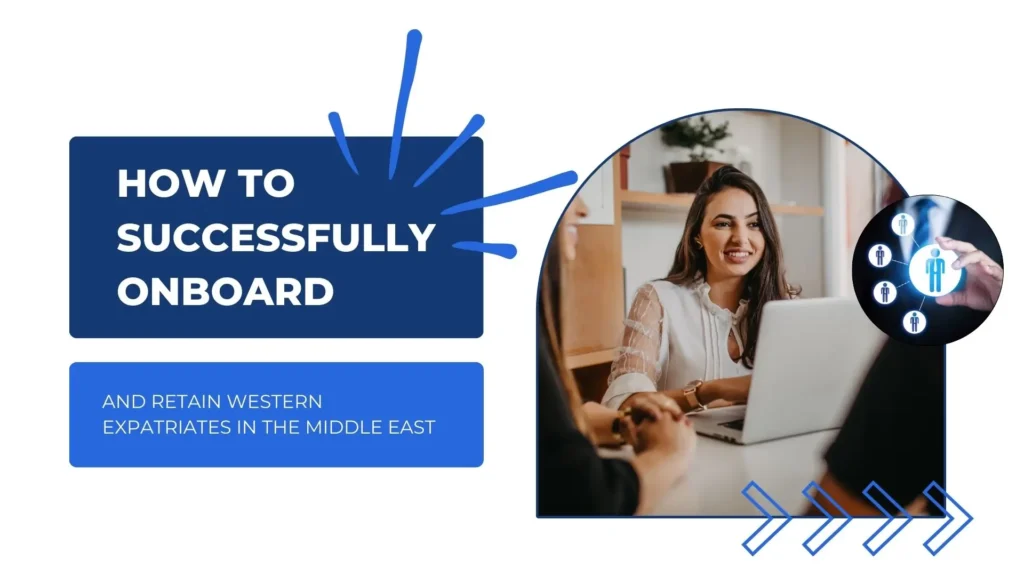
Expanding a business across borders is exciting, but it comes with unique challenges, especially when it involves integrating Western expatriates into the dynamic workforce of the Middle East. Whether you’re hiring in Riyadh, managing teams in Dubai, or exploring Qatar recruitment laws, ensuring your international hires thrive is key to your company’s success. Let’s explore how to onboard and retain Western talent effectively while navigating the GCC’s business climate and workforce mobility trends.
Understanding the GCC Workforce Landscape
The Gulf Cooperation Council (GCC), encompassing Saudi Arabia, UAE, Qatar, and other countries, has rapidly transformed into a hub for international professionals. With mega-projects like the Neom project jobs in Saudi Arabia and fintech careers in Dubai gaining global attention, Western expatriates are increasingly drawn to these opportunities.
Companies looking at business expansion in GCC market comparison need to understand local labor laws, cultural nuances, and talent expectations. The UAE talent pool, for instance, is highly competitive, but proper onboarding can ensure your expatriates feel valued and stay long-term. Meanwhile, Saudi Vision 2030 and Qatar’s tourism development projects are creating high-demand roles in renewable energy, tourism, and infrastructure, opening doors for skilled Western professionals.
Practical Steps for Setting Up Teams in Saudi Arabia and Beyond
If your business is considering setting up a team in Saudi Arabia, the first step is understanding the local employment ecosystem. Companies must navigate Saudi Arabia work visa requirements, Saudization policies, and labor regulations. Partnering with local recruitment experts can streamline hiring and ensure compliance with KSA recruitment practices.
Similarly, hiring in Riyadh or setting up operations in free zones like Dubai requires familiarity with Dubai free zone setup rules, labor regulations, and expatriate benefits. Free zones are particularly appealing because they simplify licensing, reduce tax burdens, and offer more flexible visa options for international hires.
Onboarding Expatriates in the Middle East
Successfully onboarding expatriates in the Middle East goes beyond paperwork. It requires creating a welcoming environment that addresses both professional and personal needs. Key strategies include:
- Cross-cultural training: Equip Western employees with insights into local business etiquette, communication styles, and social norms. Effective cross-cultural communication in business helps reduce misunderstandings and builds stronger team relationships.
- Relocation support Middle East: Offer assistance with housing, schooling, and transportation. Providing guidance on local amenities and community networks can help expatriates settle in quickly.
- Family support UAE: For those relocating with families, ensure that spouse employment opportunities, education options, and social integration programs are accessible.
These strategies not only enhance job satisfaction but also improve expat retention Dubai and other GCC cities.
Navigating Visas and Legal Requirements
Visa and work permit processes can be a major hurdle for both employers and expatriates. Here’s a quick overview:
- Saudi Arabia work visa: Required for any foreign professional, including those in megaprojects like Neom careers 2024. Sponsors and employers must ensure proper documentation to avoid delays.
- H1B visa for software engineers / USA tech relocation: For Arab professionals aiming to work in the U.S., the H1B visa process is crucial. Companies often provide guidance and sponsorship, ensuring compliance with U.S. labor laws.
- Qatar recruitment laws: Qatar has strict labor regulations, particularly in tourism and hospitality sectors. Employers must be aware of contract standards, working hours, and expatriate rights.
Understanding these requirements upfront saves time and reduces the risk of turnover due to administrative hurdles.
Retention Strategies for Western Expatriates
Retention in the GCC relies on more than salary. While competitive pay is important Dubai expat salary guide offers insights into market norms Western professionals often value career growth, meaningful work, and a supportive environment. Best practices include:
- Professional Development: Encourage skill-building aligned with future skills in Arabian Gulf industries, like renewable energy, fintech, or multilingual customer service.
- Networking Opportunities: Facilitating connections with the American community in UAE or industry peers strengthens social and professional ties.
- Recognition and Engagement: Celebrate achievements and involve expatriates in strategic projects to foster loyalty.
Effective retention ensures that your investment in expatriate talent yields long-term business growth.
Career Opportunities for Arab Professionals in the U.S.
While many expatriates come to the Middle East, there’s also a growing trend of Arab professionals seeking careers in the U.S. Opportunities in tech and healthcare are especially abundant:
- US healthcare jobs for Arab medical professionals: Nurses and doctors can explore licensing pathways, such as nursing license USA and USMLE for Arab doctors.
- Tech roles: Arab software engineers and fintech experts benefit from USA tech relocation programs, often through visa sponsorship or joint venture projects.
- Networking for Arab professionals in USA: Joining professional communities helps navigate the U.S. job market while maintaining cultural connections.
Arab American Recruiters specializes in placing talent across both GCC and U.S. markets, ensuring seamless transitions for professionals navigating these opportunities.
Managing Teams Across Time Zones
With international teams, managing remote teams in different time zones becomes essential. Strategies for success include:
- Implementing overlapping core hours for real-time collaboration.
- Using project management tools for transparency and accountability.
- Encouraging cross-border mentorship programs to build team cohesion.
For businesses operating in multiple GCC hubs or with connections to the U.S., these approaches maximize productivity and engagement.
High-Demand Careers to Watch in 2024
Both GCC and U.S. markets have sectors where demand for skilled expatriates is particularly strong:
- Tech & Fintech Careers Dubai: AI, blockchain, and digital banking roles are on the rise.
- Renewable energy jobs Saudi Arabia: With Vision 2030, solar and wind energy projects are creating extensive employment opportunities.
- Tourism jobs Qatar: Hospitality and cultural tourism are expanding in anticipation of international events.
- Megaprojects jobs: Large-scale infrastructure and urban development projects need project managers, engineers, and specialized professionals.
Focusing recruitment efforts on these areas ensures access to a talent pool ready to make an immediate impact.
The Role of Arab American Recruiters
Arab American Recruiters offers specialized expertise in both GCC and U.S. markets. Their team helps companies:
- Source top-tier talent for careers in Middle East for Westerners.
- Navigate onboarding expatriates in Middle East and relocation support.
- Connect Arab professionals with US healthcare jobs and tech placements.
By leveraging local knowledge and global networks, they streamline recruitment while improving retention outcomes.
Industry FAQ
Q: How can businesses set up a team in Saudi Arabia or Dubai?
A: Start by understanding local regulations. In Saudi Arabia, secure the necessary work visas and comply with KSA recruitment laws. In Dubai, free zone setups simplify licensing and visa processes. Partnering with local experts like Arab American Recruiters can accelerate your setup.
Q: What are the requirements for Arab professionals to work in the U.S. or GCC?
A: In the GCC, a valid work visa and sponsorship are essential. In the U.S., visas like H1B for software engineers or specialized healthcare sponsorships are common. Proper documentation and guidance are crucial for a smooth transition.
Q: How can expatriates maximize retention and integrate smoothly in the Middle East?
A: Engage in cross-cultural training, leverage relocation support, and participate in community networks. Employers should offer family support, career development opportunities, and recognition programs.
Q: Which sectors offer the best opportunities for Arab professionals in 2024?
A: High-demand areas include renewable energy, fintech, tourism, tech, healthcare, and megaproject management. Positions aligned with Saudi Vision 2030 and Qatar tourism initiatives are particularly promising.
Building a Strong Expat Experience
A successful expatriate program balances professional and personal support. Western employees thrive when they feel prepared, valued, and culturally integrated. Whether your focus is bilingual customer support center Arabic English, talent for Arabic customer service, or 24/7 support team structure, a comprehensive approach strengthens both performance and retention.
Creating this environment requires strategy, empathy, and guidance from experienced recruiters who understand both the GCC business climate and U.S. workforce trends.
Final Thoughts: Making It Work for Your Business
Hiring and retaining Western expatriates in the Middle East is not just about filling positions it’s about building long-term partnerships, fostering cross-cultural collaboration, and investing in people. From careers in Middle East for Westerners to Arab tech professionals USA jobs, the opportunities are vast, but success depends on thoughtful onboarding, relocation support, and engagement strategies.
For businesses and professionals seeking guidance, Arab American Recruiters provides hands-on expertise in connecting companies with skilled talent and assisting expatriates with smooth transitions. Visit to explore staffing services, job placement, and consultation. Whether you’re navigating Saudi Vision 2030 jobs for foreigners, working in Dubai as an American, or US healthcare jobs for Arab medical professionals, their team helps you achieve success with confidence.