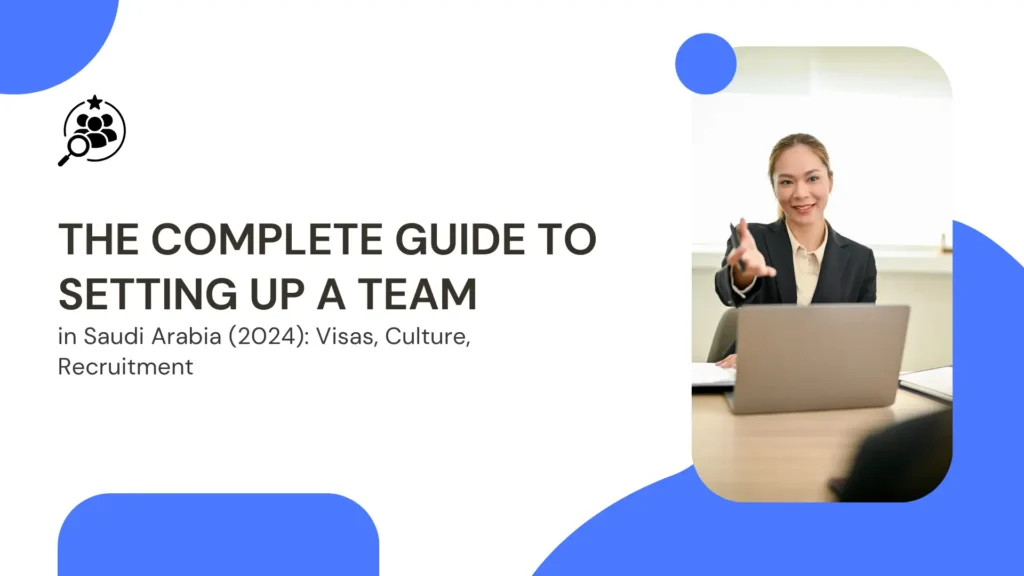
Expanding your business or building a new team in Saudi Arabia can feel both exciting and complex. With Saudi Arabia’s Vision 2030 driving economic diversification and megaprojects like NEOM creating unprecedented opportunities, companies and professionals alike are exploring the region in greater numbers. Whether you are a U.S. employer considering business expansion in GCC market comparison or an Arab professional eyeing renewable energy jobs Saudi Arabia, understanding the recruitment landscape, legal requirements, and cultural nuances is essential. This guide walks you through everything you need to know about setting up a team in Saudi Arabia in 2024.
Understanding the Saudi and GCC Workforce Landscape
The GCC business climate is evolving rapidly. Saudi Arabia, the UAE, and Qatar are all investing heavily in sectors such as technology, healthcare, tourism, and renewable energy. For employers, this translates into both opportunities and challenges: the demand for skilled professionals is high, but attracting and retaining talent requires careful planning.
- Saudi Arabia: Riyadh and NEOM are hubs for tech, energy, and infrastructure projects. The country’s Saudi Vision 2030 jobs for foreigners initiative encourages international expertise, especially in engineering, renewable energy, and project management.
- UAE: Dubai and Abu Dhabi offer free zones like the Dubai free zone setup, providing simplified business licensing and access to a vibrant international workforce.
- Qatar: With the upcoming development projects, Qatar recruitment laws are gradually evolving to accommodate global talent while ensuring compliance with local labor regulations.
For professionals, the GCC offers lucrative career paths and tax advantages. For Arab-American talent, opportunities in both the U.S. and GCC markets provide flexibility, especially in tech, healthcare, and executive roles.
Step 1: Navigating Visas and Work Permits
Before you hire, understanding the visa process is crucial.
- Saudi Arabia work visa: This is a requirement for expatriates to work legally in KSA. The process involves employer sponsorship, background checks, and sometimes health screenings. Companies must also ensure labor contracts comply with Saudi labor laws.
- U.S. H1B visa for software engineers: For Arab professionals targeting the U.S., the H1B visa remains the primary pathway for tech roles. Familiarity with documentation, employer sponsorship, and timing is critical for smooth relocation.
- Visa sponsorship for healthcare workers: Both in the GCC and the U.S., healthcare professionals must navigate licensing (e.g., USMLE for Arab doctors or nursing license USA) alongside visa procedures.
Practical Tip: Partnering with experienced recruitment specialists, like Arab American Recruiters ensures compliance and reduces the risk of delays or errors in visa processing.
Step 2: Recruiting and Onboarding Talent
KSA recruitment strategies are unique due to cultural and legal considerations. Here’s what employers should focus on:
Finding the Right Talent
- Target high-demand sectors: renewable energy jobs Saudi Arabia, fintech careers Dubai, tourism jobs Qatar, and megaprojects jobs.
- Leverage bilingual or multilingual talent for customer support, such as bilingual customer support center Arabic English or multilingual call center setup.
Onboarding Expatriates
Smooth onboarding is key to retention:
- Offer relocation support Middle East and family support UAE, helping employees and their families settle in.
- Provide cross-cultural training to bridge communication gaps between local teams and expatriates.
- Consider managing remote teams in different time zones, especially if your business spans GCC markets and U.S. offices.
Retaining Your Team
Retention can be enhanced through competitive salaries, professional development, and social integration. For Dubai, insights from the Dubai expat salary guide help set realistic compensation packages. Creating a sense of community for expatriates, including connections with the American community in UAE, also improves retention.
Step 3: Business Expansion in the GCC
Expanding into Saudi Arabia, the UAE, or Qatar is not just about hiring—it’s about understanding market structures and operational nuances.
- Dubai free zone setup: Offers tax incentives, simplified business registration, and flexible foreign ownership rules.
- Saudi Arabia: Requires understanding local labor laws and navigating sponsorship systems, but offers strategic access to megaprojects like NEOM careers 2024.
- Qatar: Focused on project-based work in infrastructure, hospitality, and tourism, aligning with Qatar recruitment laws.
Comparison Tip: Companies entering the GCC should weigh costs, regulatory frameworks, and talent availability across markets. Arab American Recruiters can provide insights into optimal strategies for cross-cultural communication in business and aligning team structures with local expectations.
Step 4: Career Opportunities for Arab Professionals in the U.S.
Arab professionals seeking opportunities in the U.S. have unique pathways, especially in technology and healthcare.
- Tech roles: Many Arab-American engineers utilize USA tech relocation or H1B visas. Networking through professional groups and organizations enhances visibility in competitive markets.
- Healthcare roles: Opportunities include US healthcare jobs for Arab medical professionals, USMLE for Arab doctors, and nursing license USA. Specialized recruiters help streamline credential verification and licensing.
- Business and project management: Professionals with GCC experience can leverage their knowledge for US Arab joint venture project management, especially in firms operating in Middle East markets.
Pro Tip: Arab American Recruiters specialize in connecting Arab talent with U.S. employers, providing guidance on relocation, licensing, and career strategy.
Step 5: Practical Guidance for Employers
Building and managing a team in Saudi Arabia or across the GCC requires actionable steps:
- Understand local employment laws: This prevents compliance issues in Saudi Arabia, Dubai, or Qatar.
- Invest in relocation and onboarding: Support for families and expatriates improves retention and productivity.
- Leverage the right recruitment channels: Use recruiters familiar with the local labor market and talent for Arabic customer service.
- Offer cross-cultural training: Enhances team collaboration and reduces misunderstandings.
- Implement remote team management best practices: Especially for projects spanning the U.S. and Middle East time zones.
Frequently Asked Questions
Q: How can businesses set up a team in Saudi Arabia or Dubai?
A: In Saudi Arabia, securing a Saudi Arabia work visa and registering your business with the Ministry of Labor are essential. Dubai offers free zones that simplify ownership and labor procedures. Both require understanding local labor regulations and recruitment practices.
Q: What are the requirements for Arab professionals to work in the U.S. or GCC?
A: For the U.S., H1B visas or employer sponsorship are common. Healthcare professionals may need USMLE or nursing licenses. In the GCC, employer sponsorship and work permits are mandatory, along with compliance with Qatar recruitment laws or Saudi labor rules.
Q: How can expatriates maximize retention and integrate smoothly in the Middle East?
A: Offering relocation support, family integration, cultural training, and networking opportunities are critical. Connecting with communities like the American community in UAE enhances social adaptation.
Q: Which sectors offer the best opportunities for Arab professionals in 2024?
A: High-demand areas include technology, healthcare, renewable energy, fintech, tourism, and megaprojects like NEOM. Career growth is also strong in bilingual or multilingual customer support centers and executive roles bridging the GCC and U.S. markets.
Building a Global Team with Confidence
Setting up a team in Saudi Arabia, the UAE, or Qatar requires thoughtful planning, cultural sensitivity, and knowledge of regional labor regulations. For Arab professionals, the GCC and U.S. markets offer complementary opportunities in tech, healthcare, renewable energy, and project management. Whether you are hiring locally or relocating talent internationally, focusing on visa compliance, onboarding, and retention strategies ensures long-term success.
For employers and job seekers navigating these complex markets, partnering with an experienced recruitment firm like Arab American Recruiters can make the process seamless. Their expertise in placing Arab professionals in high-demand roles across the GCC and U.S. ensures that both companies and talent thrive.
Ready to expand your team or find your next career opportunity? Reach out to Arab American Recruiters for guidance on hiring, relocation, and career placement in the GCC or U.S. markets your trusted partner for international workforce solutions.