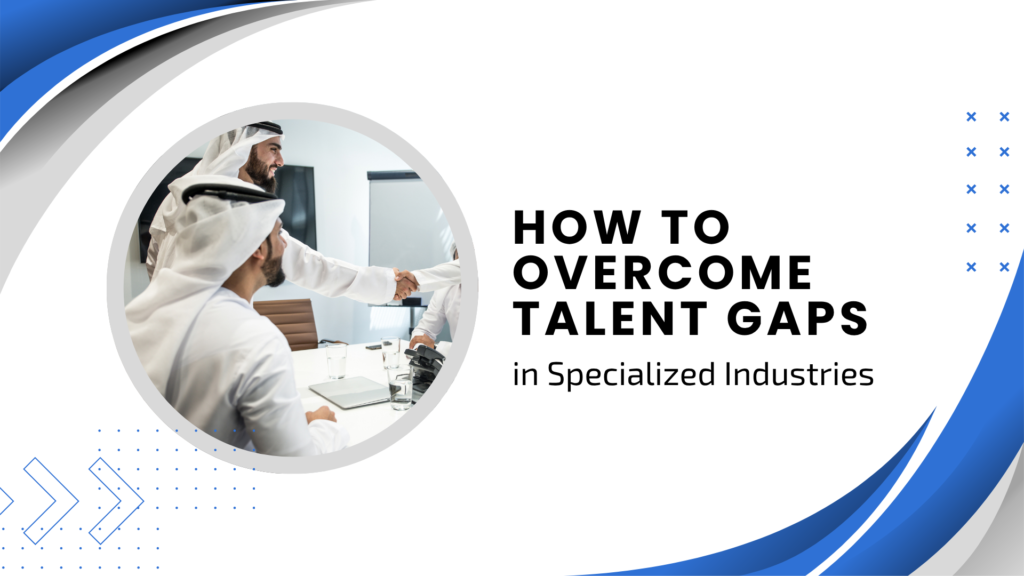
Let’s be real for a second. Whether you’re a CEO in Riyadh trying to staff up for a megaprojects jobs initiative, a hiring manager in Dubai struggling to find niche tech talent, or an Arab American professional in the US weighing your next career move, we are all facing the same headache: the talent gap.
It’s the elephant in the boardroom. You have the capital, you have the vision, and you have the contracts. But finding the right peoplethe specialists who actually know their stufffeels like searching for a needle in a haystack. This isn’t just a “you” problem; it’s a global phenomenon. As I look at the shifting gcc business climate, it’s clear that the old ways of hiring are dead.
We need a new playbook. Not a sales pitch, but a practical guide to navigating this landscape, whether you’re looking at the US market or the booming economies of the Gulf.
The Reality Check: Why is it so Hard to Find Good People?
First, let’s acknowledge the elephant in the room. The demand for specialized skills is outpacing supply at a staggering rate. We’re seeing this across the boardfrom artificial intelligence to renewable energy. In the US, for example, the demand for semiconductor workers is projected to hit 115,000 by 2030, with nearly 67,000 of those roles likely to go unfilled due to the current pipeline issues .
This isn’t just a tech problem. It’s hitting healthcare, engineering, logistics, construction, and hospitality . The global talent shortage is so acute that even major staffing firms are diving deep into international talent pools to meet demand . We’re all fishing in the same shrinking pond.
So, how do you fix it? You don’t just fish harderyou fish smarter and you cultivate your own pond. This is where the concept of “build versus buy” comes in. While buying talent (aggressive recruitment) is necessary, we’re seeing a shift towards building capabilities. The strongest organizations are those that invest in continuous learning and capability building, recognizing that deep expertise is not built in classrooms alone; it is built through real assignments, problem-solving, and repeated exposure to complex challenges .
The Saudi and UAE Landscape: A New Frontier for Talent
For businesses looking at business expansion in gcc market comparison, the opportunities in Saudi Arabia and the UAE are immense. However, they come with specific challenges.
Saudi Arabia is undergoing a massive transformation. The saudi vision 2030 jobs for foreigners are plentiful, but the hiring process is becoming more structured. We’re talking about initiatives like the neom project jobs and the broader economic diversification that is creating demand for skills that didn’t exist here a decade ago. If you are setting up a team in saudi arabia, you need to be aware of the ksa recruitment landscape. It’s not just about posting a job anymore. The process is more formalized, with a focus on Saudization and ensuring that your hiring practices align with the government’s goals.
Saudi Arabia work visa requirements are specific and often involve a more complex process than some may expect, often involving medical examinations and security clearances . Unlike other markets, the process can take time, so building patience and flexibility into your recruitment timeline is key.
Dubai, on the other hand, offers a different dynamic. The uae talent pool is incredibly diverse, making it a hub for dubai free zone setup. Free zones provide a flexible environment for businesses, but qatar recruitment laws and uae laws each have their own nuances. In Dubai, the ease of doing business is high, but the competition for top-tier talent is fierce.
The Arab American Advantage
This is where things get interesting. For US employers, the challenge is often the h1b visa for software engineers and the crunch for tech talent in general. For GCC businesses, the challenge is finding bilingual candidates who can operate in both Western and Eastern business cultures. Here, the Arab American professional represents a unique “bridge.”
The US market is absolutely crying out for talent. Whether it’s us healthcare jobs for arab medical professionals (with usmle for arab doctors and nursing license usa being key hurdles) or arab tech professionals usa jobs, there’s a huge demand. The “quiet quitting” trend and workforce demographic shifts mean that US companies are more open than ever to international recruitment and visa sponsorship.
In the Gulf, the story is similar but flipped. The need for bilingual customer support center arabic english and multilingual call center setup is high. American-educated professionals with Arab heritage bring a critical blend of cultural fluency and Western business acumen that is invaluable for us arab joint venture project management and cross-cultural communication in business.
Practical Guidance for Employers: How to Hire and Keep the Best
Alright, enough with the big picture. Let’s get into the weeds. How do you actually build that specialized team?
1. Rethink Your Sourcing Strategy
Stop fishing in the same pond as everyone else. If you’re hiring in Dubai or Riyadh, don’t just rely on local job boards. Look at the diaspora. There is a massive talent pool of Western-educated professionals with ties to the region. Working with firms that understand both the US and GCC marketslike Arab American Recruiters (aar)is a strategic advantage. We specialize in identifying professionals who are ready for a move, whether they’re looking to relocate to the Gulf or are seeking opportunities back in the US.
2. Master the Visa Game
Nothing kills a great hire faster than a botched visa process.
- In Saudi: Understand that the saudi arabia work visa process is mandatory and requires patience. The employer usually manages the visa, but the administrative tasks (attestation of degrees, medical checks) can cause delays .
- In the US: For tech and healthcare roles, the h1b visa lottery is a significant risk. Visa sponsorship for healthcare workers is also becoming more complex, so you need a solid immigration strategy from day one.
- For GCC expansion: Remember that onboarding expatriates in middle east is different. You’re not just hiring an employee; you’re often relocating a family.
3. Prioritize “Cultural-Fit” and Cross-Cultural Training
This is non-negotiable. I can’t stress this enough. In the Gulf, teams are made up of dozens of nationalities . The ability to work in a multicultural environment is essential. Cross-cultural training isn’t just a nice-to-have; it should be a mandatory part of your onboarding.
Managing remote teams in different time zones is also a huge part of the modern landscape. Don’t just assume everyone can adjust. Provide resources, set clear meeting windows, and be empathetic to the digital divide.
4. Build, Don’t Just Buy
This goes back to the “build” philosophy. Retention is the secret to success. Dr. Jayakumar, a CHRO, put it perfectly: “The future of talent will be shaped more by capability than by cost” . If you only compete on salary, you’ll lose every time to the next bidder. Compete on experience.
- Expat Retention Dubai & Saudi: This requires a focus on family. Relocation support middle east is about more than just a plane ticket. It’s about helping the spouse find work and providing family support uae or in KSA. If the family isn’t happy, the employee won’t stay.
- Career Growth: Expatriates want to know what their next step is. Are you providing mentorship or pathways to senior leadership? Investing in learning academies and structured career pathways is what keeps top talent .
Practical Guidance for Job Seekers: Where the Opportunities Are
If you’re an Arab professional looking at your options, here is the lay of the land.
High-Demand Sectors
The fields with the most promise are rapidly evolving:
- Technology: AI, cybersecurity, and machine learning roles are critical . Whether you’re looking at neom careers 2024 or a role in Silicon Valley, tech skills are golden.
- Fintech: Dubai is a global hub for fintech, with a fintech careers dubai market that is expanding rapidly.
- Renewable Energy: As Saudi Arabia pushes for diversification, renewable energy jobs saudi arabia are massive.
- Healthcare: The usmle and nursing license pathways are rigorous but offer unmatched stability.
- Tourism & Hospitality: From tourism jobs qatar to the expansion in Riyadh, this sector is booming.
Understanding the Offer
When you’re working in dubai as an american or as a Western-educated professional, the “tax-free” salary is a massive draw . However, don’t just look at the base pay. Look at the dubai expat salary guide and understand the cost of living dubai vs usa.
A salary of $150,000 in Dubai is not the same as $150,000 in New York. Factor in housing allowances, school fees, and annual flights home. These benefits often account for 30% or more of the total value of your package .
Frequently Asked Questions
Q: How can businesses set up a team in Saudi Arabia or Dubai?
A: In Saudi, you’ll likely need to partner with a local entity or establish a regional headquarters. The process involves navigating the ksa recruitment laws and ensuring compliance with Saudization quotas. In Dubai, the Dubai free zone setup is often the quickest route, as it allows for 100% foreign ownership and streamlined visa processing for employees.
Q: What are the requirements for Arab professionals to work in the US or GCC?
A: For the US, a h1b visa is the most common pathway for specialized roles (tech/engineering), while healthcare often requires usmle or a nursing license. In the GCC, the employer usually sponsors the work visa. You’ll typically need a valid passport, a job offer, and to pass medical and security checks. Attestation of your academic degrees is also a must .
Q: How can expatriates integrate smoothly and stay long term in the Middle East?
A: “Integration” is the magic word. It’s about community. The american community in uae is thriving, but you need to step outside the bubble too. Understanding local customs and working hours makes a huge difference. For the employer, offering robust relocation support middle east and family support uae or Saudi is essential. If the spouse is working and the kids are in a good school, retention spikes.
Q: Which sectors offer the strongest opportunities in 2024?
A: Look at where the investment is going. Renewable energy jobs saudi arabia, fintech careers dubai, and tourism jobs qatar are huge. AI and cybersecurity are universal. Additionally, the infrastructure behind megaprojects jobs (construction, engineering, project management) is a constant need. There’s also a rising demand for bilingual customer support center arabic english as companies move into the region.
Your Next Move
Talent gaps are real, but they’re not insurmountable. The key is to be proactive, whether you’re building a team from scratch or planning your own career pivot. For employers, it’s about offering a holistic experience that goes beyond the paycheck and investing in the human element of your workforce. For job seekers, it’s about leveraging your unique cultural and linguistic skills to bridge the gap between the US and the GCC.
If you’re looking to navigate this complex market, whether you are an employer needing top-tier talent or a professional seeking your next big opportunity, it pays to talk to people who know the terrain. Organizations like Arab American Recruiters specialize in connecting Arab American professionals with opportunities in both the US and the GCC, making the complex process of international placement a little bit easier.