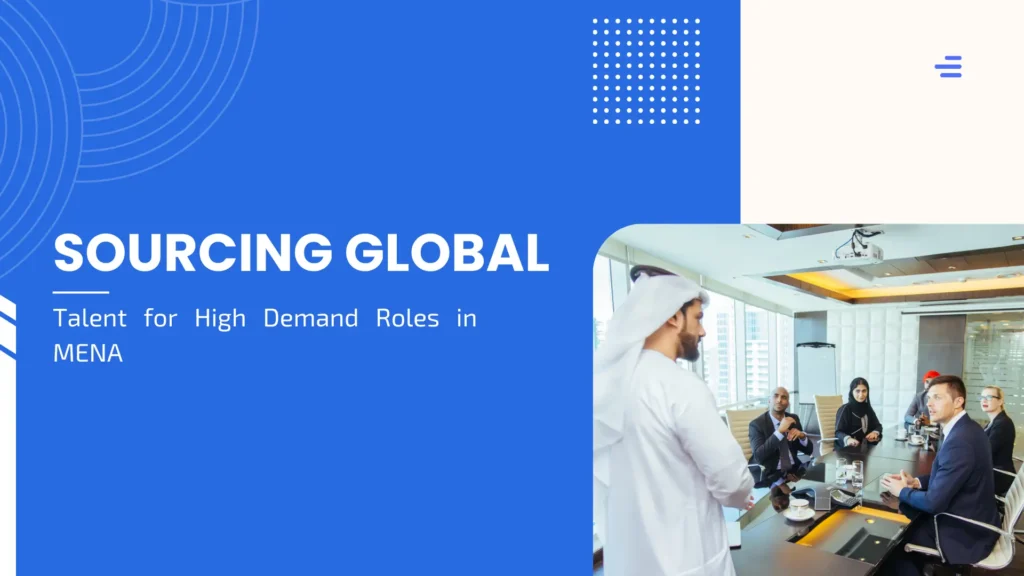
Across the Middle East and North Africa, the competition for skilled professionals is rising quickly. Governments are investing heavily in economic diversification, companies are expanding into new markets, and large infrastructure projects are creating demand for specialized talent from around the world.
For employers in the Gulf Cooperation Council and the United States, this creates both opportunity and complexity. Building teams across borders requires thoughtful recruitment strategies, compliance with local employment laws, and strong cross cultural leadership.
At the same time, many Arab professionals living in North America or Europe are exploring career opportunities back in the Gulf. Others are seeking international roles that allow them to move between markets while maintaining strong ties to both regions.
Understanding how global hiring works in the MENA region can help companies attract the right talent and help professionals navigate career opportunities more confidently.
This guide explores practical strategies for sourcing talent across Saudi Arabia, the UAE, and Qatar while also looking at career pathways for Arab professionals in the United States.
Why Global Talent Is Essential in the GCC
The GCC region has become one of the most dynamic employment markets in the world. Rapid development initiatives, technology investments, and large infrastructure programs are reshaping the workforce landscape.
Several forces are driving the need for international hiring.
Economic diversification
Governments across the Gulf are working to reduce reliance on oil revenues. This has led to rapid expansion in industries like technology, renewable energy, tourism, healthcare, and financial services. These sectors require skills that are often sourced internationally.
Megaprojects and new cities
Large scale development initiatives are creating thousands of specialized roles. Many professionals are moving to the region to work on large infrastructure and innovation projects, including opportunities linked to neom project jobs and other megaprojects across the Gulf.
A global workforce culture
Cities like Dubai, Riyadh, and Doha already host highly international workforces. This makes the region attractive to professionals who enjoy working in multicultural environments.
The result is a highly competitive hiring environment where companies must look beyond local talent pools.
Saudi Arabia’s Expanding Talent Market
Saudi Arabia has quickly become one of the most active hiring markets in the Middle East.
Ambitious development plans connected to Vision 2030 are fueling demand for professionals in engineering, technology, finance, tourism, and energy.
Hiring growth in Riyadh
The capital city has become a major hub for corporate expansion and government backed initiatives. International companies are increasingly focused on hiring in riyadh as regional headquarters shift toward Saudi Arabia.
Organizations entering the market often begin by setting up a team in saudi arabia, which requires a clear understanding of labor laws, recruitment practices, and visa processes.
Work visas and recruitment structure
Foreign professionals typically require a saudi arabia work visa sponsored by their employer. The process involves several stages including employment authorization, contract verification, and residency permits.
Companies engaged in ksa recruitment must also consider local workforce policies, which encourage hiring and development of Saudi nationals alongside international professionals.
High demand sectors
Saudi Arabia’s hiring needs are especially strong in areas connected to modernization and infrastructure.
Key sectors include:
- Renewable energy and sustainability initiatives
- Technology and digital transformation
- Construction and infrastructure development
- Tourism and hospitality projects
- Advanced manufacturing and logistics
Many of these roles support saudi vision 2030 jobs for foreigners, which attract experienced professionals from Europe, North America, and across the Arab world.
Dubai and the UAE Talent Advantage
The UAE remains one of the most international labor markets anywhere in the world.
Dubai in particular offers a unique environment for businesses seeking a global workforce.
Free zone ecosystems and international hiring
Many foreign companies start their regional operations through dubai free zone setup structures. These zones allow international businesses to operate with streamlined regulatory processes and strong support for foreign ownership.
This business environment has helped create a highly diverse uae talent pool, with professionals from hundreds of nationalities working across industries.
A strong expatriate culture
Dubai is widely known for its expatriate friendly environment. Professionals relocating to the UAE often find well developed support networks including international schools, global business communities, and relocation services.
Companies that focus on onboarding expatriates in middle east markets usually invest in cultural orientation, relocation assistance, and family integration programs.
Retention is equally important. Many organizations now prioritize expat retention dubai strategies such as career development opportunities and long term residency options.
Emerging sectors in the UAE
Dubai continues to grow as a hub for innovation and finance.
Some of the most competitive hiring markets include:
- Financial technology and digital banking
- Artificial intelligence and data analytics
- E commerce and digital marketing
- Tourism and hospitality
- Logistics and aviation
These sectors create strong opportunities for professionals pursuing fintech careers dubai or other technology driven roles.
Qatar’s Recruitment Environment
Qatar’s workforce needs are also evolving rapidly.
While the country gained global attention during recent infrastructure and sporting events, its long term economic plans continue to create employment opportunities across multiple sectors.
Companies expanding into Qatar must understand local compliance requirements and qatar recruitment laws, which regulate employment contracts, sponsorship systems, and labor protections.
Key industries currently hiring include:
- Tourism and hospitality
- Energy and infrastructure
- Aviation and transportation
- Digital services and technology
Many international employers are also building multilingual support teams in the country. Roles in bilingual customer support center arabic english operations and regional service hubs are becoming increasingly common.
Building International Teams Successfully
Hiring global talent is not just about recruitment. It also requires thoughtful management of distributed teams and strong cultural awareness.
Cross cultural communication
When teams span multiple countries, cultural differences can influence communication styles, leadership expectations, and workplace behavior.
Organizations that invest in cross-cultural training often see smoother collaboration and stronger employee engagement.
Clear expectations, inclusive communication practices, and respect for cultural differences help teams perform more effectively.
Managing remote teams across time zones
Many companies now operate across offices in North America, Europe, and the Gulf.
Successful leaders pay attention to managing remote teams in different time zones, which requires thoughtful scheduling, clear project management systems, and flexibility around working hours.
This is especially important for global projects involving teams in the United States and the Middle East.
Career Pathways for Arab Professionals in the United States
While the Gulf offers expanding opportunities, the United States remains an important destination for many Arab professionals.
Technology, healthcare, and engineering roles continue to attract skilled workers from across the region.
Technology careers and visa pathways
Software engineering and data science remain among the most accessible international career paths.
Many Arab developers pursue opportunities through the h1b visa for software engineers, which allows skilled professionals to work in the US for sponsoring employers.
These roles often lead to long term opportunities in major technology hubs.
Healthcare opportunities
Healthcare is another sector where international professionals play a vital role.
Arab physicians, nurses, and specialists often pursue licensing pathways in the United States. For example, doctors must complete certification steps such as the usmle for arab doctors before practicing.
Hospitals and healthcare networks also offer visa sponsorship for healthcare workers when talent shortages arise.
Practical Advice for Employers Expanding into the GCC
Companies entering the Middle East benefit from a structured hiring approach.
Here are several best practices.
Understand local employment regulations
Each GCC country has its own legal framework for hiring foreign workers. Employers must understand visa sponsorship requirements, labor contracts, and compliance obligations.
Invest in relocation support
Professionals moving internationally often need help with housing, schooling, and settling into a new culture. Strong relocation programs improve both recruitment success and employee retention.
Focus on long term retention
High demand talent can easily move between markets. Competitive compensation, professional development, and family support help companies retain skilled employees.
Develop culturally aware leadership
Managers leading global teams must understand how communication styles differ across cultures. Training and leadership coaching can improve collaboration significantly.
Supporting Professionals Relocating to the Gulf
For job seekers considering a move to the Middle East, preparation makes a significant difference.
Here are several practical tips.
Research the local work environment
Workplace cultures in the GCC often emphasize relationship building and professional respect. Understanding these expectations helps professionals adapt quickly.
Evaluate cost of living and compensation
Salaries can vary widely depending on industry, experience level, and location. Professionals comparing offers should consider housing costs, schooling options, and tax structures.
Build local professional networks
Connecting with expatriate communities and regional industry groups can help newcomers adjust to life in the region.
Many professionals also benefit from organizations that specialize in international hiring. Firms such as Arab American Recruiters are known for supporting cross border placements and helping companies navigate international workforce challenges.
Industry Questions Employers and Professionals Often Ask
How can businesses set up a team in Saudi Arabia or Dubai?
Companies usually begin by establishing a legal business entity or regional office. In Saudi Arabia, this often involves government licensing and local partnerships depending on the industry. In Dubai, many international firms start through free zone entities that simplify business registration and foreign ownership rules. After the legal structure is established, companies can begin recruitment and visa sponsorship for international employees.
What are the requirements for Arab professionals to work in the US or GCC?
Requirements depend on the destination country and industry. In the United States, skilled workers often require employer sponsored visas such as the H1B program. Healthcare professionals must also complete licensing examinations and credential verification. In the GCC, foreign workers typically require employer sponsored work visas along with medical checks and residency permits.
How can expatriates integrate smoothly and stay long term in the Middle East?
Successful expatriates invest time in understanding local culture, building professional relationships, and adapting to regional business etiquette. Employers can support this process through relocation services, cultural orientation programs, and mentorship opportunities that connect new arrivals with experienced colleagues.
Which sectors offer the strongest opportunities in 2024?
Technology, renewable energy, healthcare, tourism, infrastructure, and financial technology continue to lead hiring growth across the region. Many of these opportunities are linked to economic diversification initiatives and large development projects in the Gulf.
Navigating the Future of Global Talent in the Middle East
The Middle East is quickly becoming one of the most important global talent markets. Economic diversification efforts, infrastructure megaprojects, and technology investments are transforming how companies recruit and manage international teams.
For employers, success requires more than simply posting job openings. It involves understanding regional labor laws, building culturally aware leadership teams, and creating supportive environments for international employees.
For professionals, the region offers unique career opportunities across rapidly growing industries.
Organizations such as Arab American Recruiters have developed experience supporting international hiring initiatives and helping Arab professionals navigate opportunities in both the United States and GCC markets.
Explore Global Career Opportunities and Hiring Support
If you are an employer looking to build international teams or a professional exploring opportunities in the United States or the Gulf region, experienced guidance can make the process much smoother.
Learn more about international recruitment and career opportunities by visiting Arab American Recruiters, where you can explore insights on global hiring, expatriate onboarding, and workforce mobility between the US and the Middle East.