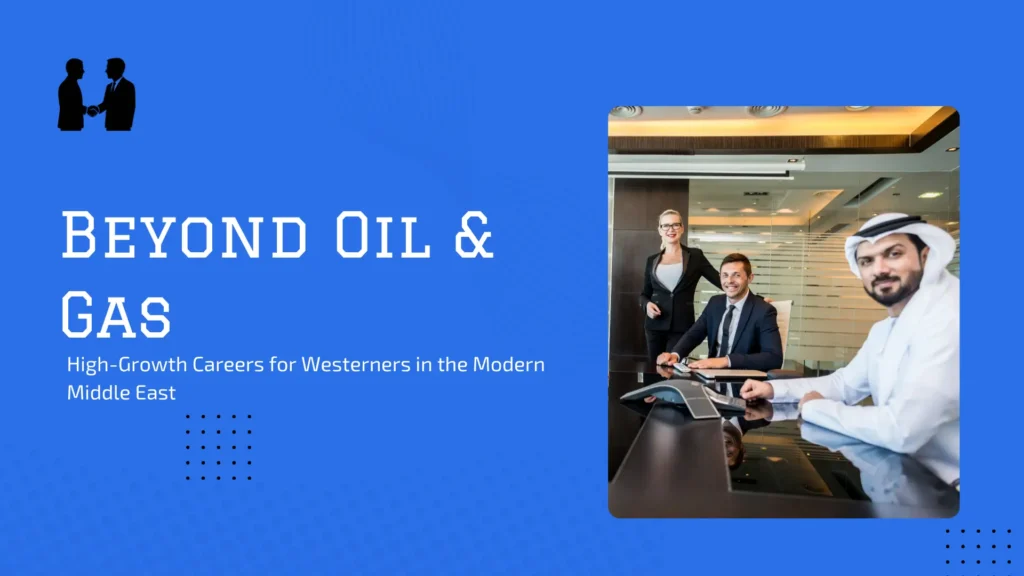
For decades, the Middle East was seen through a narrow lens: oil, gas, and short-term expat contracts. Today, that picture couldn’t be more different. Across Saudi Arabia, the UAE, and Qatar, economic diversification is reshaping the job marketand opening doors for Western professionals, Arab Americans, and globally minded employers alike.
From renewable energy and fintech to healthcare, tourism, and megaprojects, the region is actively attracting international talent. At the same time, Arab professionals are building meaningful careers in the U.S., particularly in tech and healthcare. This two-way flow of talent is redefining what global careers look like in 2024 and beyond.
Let’s explore where the real opportunities are, how employers can hire effectively, and how professionals can navigate this evolving landscape with confidence.
The Middle East’s Career Shift Is Realand It’s Strategic
The GCC business climate today is driven by long-term planning, not short-term revenue. Saudi Vision 2030 jobs for foreigners, the UAE’s innovation agenda, and Qatar’s focus on tourism and infrastructure all point to the same reality: diversification is no longer optional.
This has led to a surge in megaprojects jobs, from smart cities to cultural destinations. Saudi Arabia alone is investing heavily in renewable energy jobs Saudi Arabia needs to meet sustainability goals, while fintech careers Dubai continues to attract global finance and technology professionals.
For Westerners and Arab Americans, this means careers in the Middle East for westerners are no longer limited to engineering or consulting. They now include product management, healthcare leadership, UX design, hospitality management, and data-driven roles that didn’t exist in the region a decade ago.
Saudi Arabia: From Riyadh to NEOM, Talent Demand Is Growing Fast
Saudi Arabia’s transformation is visible everywhere, especially in Riyadh. Companies exploring hiring in Riyadh often find a competitive but opportunity-rich market. Government-backed initiatives are accelerating private sector growth, and international firms are setting up regional headquarters.
The NEOM project jobs and neom careers 2024 pipeline alone are creating demand for architects, software engineers, sustainability experts, and project managers who understand complex, cross-border environments. For employers, setting up a team in Saudi Arabia requires thoughtful planningparticularly around compliance, culture, and onboarding expatriates in Middle East workplaces.
Professionals should also understand the Saudi Arabia work visa process early. While it has become more streamlined, working with experienced partners helps avoid delays and ensures smoother relocation support Middle East professionals expect.
The UAE and Qatar: Different Markets, Shared Momentum
The UAE talent pool remains one of the most diverse in the world. Many professionals are drawn to working in Dubai as an American because of lifestyle, safety, and global exposure. Understanding the dubai expat salary guide and cost of living Dubai vs USA helps candidates make informed decisions, especially those relocating with families.
Employers expanding through a dubai free zone setup benefit from flexibility and international-friendly regulations, but success depends on retention. Expat retention Dubai strategies often hinge on family support UAE policies, clear career paths, and strong cross-cultural training.
Qatar, meanwhile, continues to invest in tourism jobs Qatar is promoting as part of its post-World Cup strategy. Employers must stay aware of Qatar recruitment laws, which emphasize transparency and structured employment relationships.
Business Expansion Across the GCC: What Employers Should Know
Business expansion in GCC market comparison often surprises U.S. and European companies. Each country has its own labor laws, cultural expectations, and operational rhythms. What works in Dubai may not translate directly to Riyadh or Doha.
Companies building regional teams should focus on:
- Localized recruitment strategies rather than one-size-fits-all hiring
- Strong onboarding expatriates in Middle East programs
- Cross-cultural communication in business training for managers
- Managing remote teams in different time zones without burning out staff
Some organizations are also investing in bilingual customer support center Arabic English teams or a multilingual call center setup to serve both regional and global customers. Finding the right talent for Arabic customer service can be a competitive advantage when done well.
Arab Professionals in the U.S.: Tech and Healthcare Lead the Way
While many Westerners head east, Arab professionals continue to pursue long-term careers in the U.S. Arab tech professionals USA jobs remain in high demand, particularly in software engineering, cybersecurity, and data analytics.
Navigating the H1B visa for software engineers is still a challenge, but with the right planning and employer support, USA tech relocation can be a realistic path. Networking for Arab professionals in USA communities often plays a critical role in finding opportunities and mentors.
Healthcare is another major pathway. US healthcare jobs for Arab medical professionals include roles for physicians, nurses, and specialists. Understanding the USMLE for Arab doctors, nursing license USA requirements, and visa sponsorship for healthcare workers is essential for a smooth transition.
Why Retention and Integration Matter More Than Ever
Hiring is only the first step. Retaining global talent requires intention. Professionals relocating to the Gulf often look beyond compensation. They want clarity, belonging, and growth.
Successful employers invest in:
- Structured relocation support Middle East packages
- Cultural orientation and ongoing cross-cultural training
- Support networks, including the American community in UAE
- Career development plans that extend beyond the first contract
These efforts don’t just reduce turnoverthey build trust and long-term capability.
Where Arab American Recruiters Fit Into the Picture
Navigating two regions, multiple visa systems, and different workplace cultures isn’t simple. Arab American Recruiters has spent years supporting companies and professionals on both sides of this corridor.
Based in the U.S., Arab American Recruiters works with organizations hiring across Saudi Arabia, the UAE, Qatar, and the United States. Their expertise includes ksa recruitment, international placement of Arab professionals, and managing complex onboarding and compliance processes.
Rather than pushing one destination or role, the focus is on fitmatching skills, expectations, and long-term goals. You can learn more about their work at ARAB AMERICAN.
Common Questions We Hear From Employers and Professionals
How can businesses set up a team in Saudi Arabia or Dubai?
Start with a clear market entry strategy. In Saudi Arabia, this includes understanding local employment laws and sponsorship requirements. In Dubai, choosing the right free zone or mainland structure matters. Partnering with recruiters who understand both compliance and culture can save months of trial and error.
What are the requirements for Arab professionals to work in the U.S. or GCC?
Requirements vary by role and country. In the U.S., tech professionals often rely on H1B pathways, while healthcare workers need licensing and credential verification. In the GCC, work visas are employer-sponsored, and documentation must be precise. Planning ahead is key.
How can expatriates maximize retention and integrate smoothly in the Middle East?
Integration starts before arrival. Cultural briefings, realistic job previews, and family considerations make a big difference. Once on the ground, mentorship and community connections help professionals settle and stay.
Which sectors offer the best opportunities for Arab professionals in 2024?
Technology, healthcare, renewable energy, fintech, tourism, and large-scale infrastructure projects continue to lead. Roles that combine technical expertise with cross-cultural communication skills are especially valuable.
A Future Built on Mobility, Not Just Location
The modern Middle East is no longer a temporary stopit’s a place where careers are built, families settle, and businesses grow. At the same time, the U.S. continues to rely on global talent to fuel innovation and healthcare systems.
For professionals, the opportunity lies in staying flexible and informed. For employers, success depends on thoughtful recruitment, strong onboarding, and genuine cultural awareness ARAB AMERICAN .