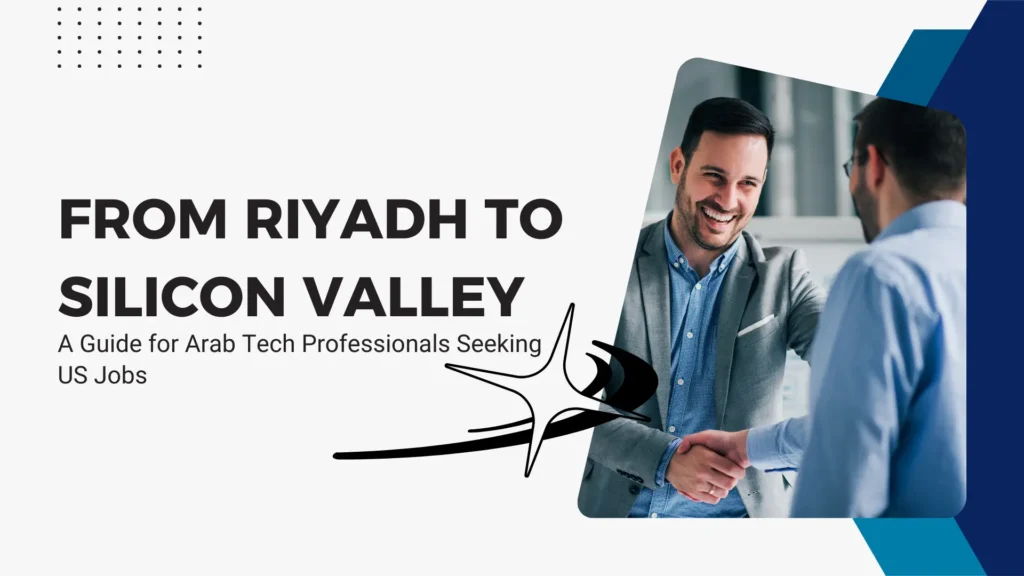
The world of work is becoming increasingly global, and Arab tech professionals are no exception to this trend. From the bustling innovation hubs of Riyadh and Dubai to the world-renowned tech epicenter of Silicon Valley, opportunities abound—but navigating the path isn’t always straightforward. Whether you’re an Arab software engineer exploring a career in the U.S. or a GCC business looking to expand operations internationally, understanding workforce mobility, recruitment trends, and cross-cultural dynamics is key.
In this guide, we’ll break down actionable insights for professionals and employers alike, covering visas, relocation, career prospects, and strategies to thrive in both GCC and U.S. markets.
Understanding Workforce Mobility: GCC and U.S. Perspectives
The Gulf Cooperation Council (GCC)—including Saudi Arabia, the UAE, and Qatar—has undergone a dramatic transformation in workforce dynamics. Economic diversification under initiatives like Saudi Vision 2030 and Qatar National Vision 2030 has opened doors for international talent in sectors ranging from renewable energy and fintech to tourism and megaprojects. For companies, setting up a team in Saudi Arabia or Dubai now requires an understanding of local labor laws, talent pool availability, and cross-cultural onboarding practices.
Meanwhile, the U.S. remains a prime destination for Arab professionals seeking careers in technology and healthcare. Silicon Valley continues to lead in innovation, attracting software engineers and tech entrepreneurs from around the globe. The challenge, however, often lies in navigating visa regulations such as the H1B visa for software engineers or professional licensing exams like the USMLE for Arab doctors or obtaining a nursing license in the USA.
For both regions, workforce mobility is not just about crossing borders—it’s about aligning skills, cultural readiness, and professional expectations.
Career Opportunities for Arab Professionals in the U.S.
For Arab tech professionals, the U.S. market offers opportunities across multiple domains:
- Software and Fintech: Startups and established tech companies are actively seeking software engineers, data scientists, and fintech experts. Visa sponsorship and relocation support are critical factors here, and networking for Arab professionals in the USA can dramatically improve your chances of landing a role.
- Healthcare: Arab medical professionals can explore US healthcare jobs, but must navigate credentialing requirements such as passing the USMLE for Arab doctors or securing a nursing license in the USA. Hospitals often provide relocation assistance and guidance for visa sponsorship for healthcare workers.
- Project Management and Tech Leadership: Professionals with experience in GCC megaprojects—like Neom project jobs or renewable energy initiatives—bring valuable expertise to U.S. companies managing large-scale infrastructure or tech deployments.
Landing these roles often requires strategic planning, leveraging professional networks, and sometimes working with recruitment specialists who understand the cross-border landscape.
Navigating Visas, Relocation, and Family Support
A major step in pursuing U.S. employment is understanding immigration requirements. The H1B visa for software engineers is a common route, but preparation is essential. Applicants should ensure:
- Strong professional documentation and skill alignment.
- Knowledge of visa timelines and application procedures.
- Support for relocation, including housing and cost-of-living considerations.
Equally important is family integration. Many Arab professionals moving to the U.S. or relocating within the Middle East benefit from employers who provide family support UAE programs or relocation assistance. This helps expatriates focus on their roles while ensuring a smooth transition for their families.
Opportunities and Workforce Trends in the GCC
The GCC is not just a destination for Westerners—it’s a vibrant market for local talent as well. Here’s what Arab professionals should know:
- Saudi Arabia: Initiatives under Saudi Vision 2030 have increased demand for roles in tech, renewable energy, and megaprojects jobs, such as Neom careers 2024. Companies hiring in Riyadh are also prioritizing cross-cultural training for expatriates and robust onboarding programs.
- UAE: Dubai, Abu Dhabi, and other emirates offer a competitive environment with high demand in fintech, hospitality, and tourism. Understanding Dubai free zone setup, salary structures, and expat retention Dubai strategies is key for career success.
- Qatar: The country continues to grow its infrastructure and tourism sectors. Employers need to comply with Qatar recruitment laws and offer programs for expatriates that encourage long-term retention.
Across the GCC, businesses expanding operations should consider business expansion in GCC market comparison, evaluating legal frameworks, talent pools, and economic diversification goals.
Recruitment Best Practices: Hiring and Onboarding Expatriates
For GCC companies or U.S. firms expanding into the region, effective recruitment goes beyond posting job ads. Best practices include:
- Talent Assessment: Identify skill gaps and high-demand roles. For instance, Arab tech professionals with experience in AI or cloud computing are highly sought after in both GCC and U.S. markets.
- Cross-Cultural Training: Understanding cross-cultural communication in business helps integrate expatriates effectively. This is especially critical when managing remote teams in different time zones, where miscommunication can lead to delays or project challenges.
- Relocation and Onboarding: Providing robust relocation support Middle East programs ensures new hires can transition smoothly, from housing to banking and healthcare services.
- Retention Strategies: High turnover can be costly. Initiatives like mentorship programs, competitive compensation, and community engagement—such as connecting with the American community in UAE—are proven to boost expat retention Dubai and other GCC hubs.
Arab American Recruiters specialize in connecting companies with skilled talent while offering onboarding expatriates in Middle East programs that make this process seamless.
Maximizing Your Job Search as an Arab Tech Professional
If you’re an Arab professional targeting U.S. roles, success comes from combining strategic planning with active networking:
- Research Career Paths: Identify sectors experiencing growth, like renewable energy jobs Saudi Arabia, fintech careers Dubai, or tech startups in Silicon Valley.
- Engage Recruiters: Trusted agencies like Arab American Recruiters can help bridge the gap between GCC experience and U.S. requirements.
- Skill Alignment: U.S. employers value experience with US Arab joint venture project management or managing remote teams in different time zones, as it demonstrates adaptability and global experience.
- Networking: Attend webinars, tech meetups, and professional associations that focus on Arab-American talent. Building a network enhances visibility and access to job opportunities.
- Prepare for Visa Processes: Whether pursuing an H1B visa for software engineers or exploring US healthcare jobs for Arab medical professionals, understanding visa and licensing requirements ahead of time is crucial.
Practical Guidance for Employers: Hiring Arab Talent
Companies seeking to hire Arab professionals should consider:
- Local Compliance: Understanding Saudi Arabia work visa requirements, UAE labor laws, and Qatar recruitment rules is non-negotiable for smooth operations.
- Cultural Integration: Offering cross-cultural training can improve team collaboration and prevent misunderstandings in diverse workplaces.
- Retention Programs: Consider benefits like family support UAE, relocation allowances, and professional development opportunities to attract and retain top talent.
- Strategic Expansion: Compare business expansion in GCC market comparison to determine the best locations for talent acquisition, considering both cost of living and sector growth.
By adopting these strategies, employers can tap into a highly skilled workforce while ensuring long-term engagement.
Industry FAQ: Answering Common Workforce Questions
Q: How can businesses set up a team in Saudi Arabia or Dubai?
A: Begin by selecting the appropriate legal structure—such as a Dubai free zone setup—and ensure compliance with local labor laws. Focus on talent acquisition, cross-cultural training, and onboarding to ensure smooth team integration.
Q: What are the requirements for Arab professionals to work in the U.S. or GCC?
A: In the U.S., professionals often need visas such as the H1B for software engineers or licensing for healthcare roles (USMLE or nursing license USA). In the GCC, companies must navigate work permits, residency requirements, and relocation support Middle East programs.
Q: How can expatriates maximize retention and integrate smoothly in the Middle East?
A: Utilize relocation support, engage in cross-cultural programs, and leverage family support initiatives. Staying connected with local and expatriate communities enhances both professional and personal integration.
Q: Which sectors offer the best opportunities for Arab professionals in 2024?
A: High-demand sectors include tech, renewable energy, fintech, tourism, and megaprojects jobs like Neom careers 2024. Both U.S. and GCC markets value professionals with international project experience and cross-cultural competence.
Embracing the Global Career Journey
Whether you are an Arab professional aspiring to USA tech relocation or a GCC company setting up a team in Saudi Arabia, success lies in preparation, cultural awareness, and strategic networking. Understanding visa processes, aligning skills with market demand, and investing in onboarding and retention practices ensures long-term success across borders.
By tapping into specialized expertise such as the team at Arab American Recruiters professionals and businesses can confidently navigate the complexities of international recruitment, career transitions, and workforce development.
Ready to take the next step? Whether you’re exploring U.S. career opportunities or planning business expansion in GCC, reach out to Arab American Recruiters for expert guidance. Visit to explore staffing services, career placement, and international recruitment solutions tailored to your goals.